
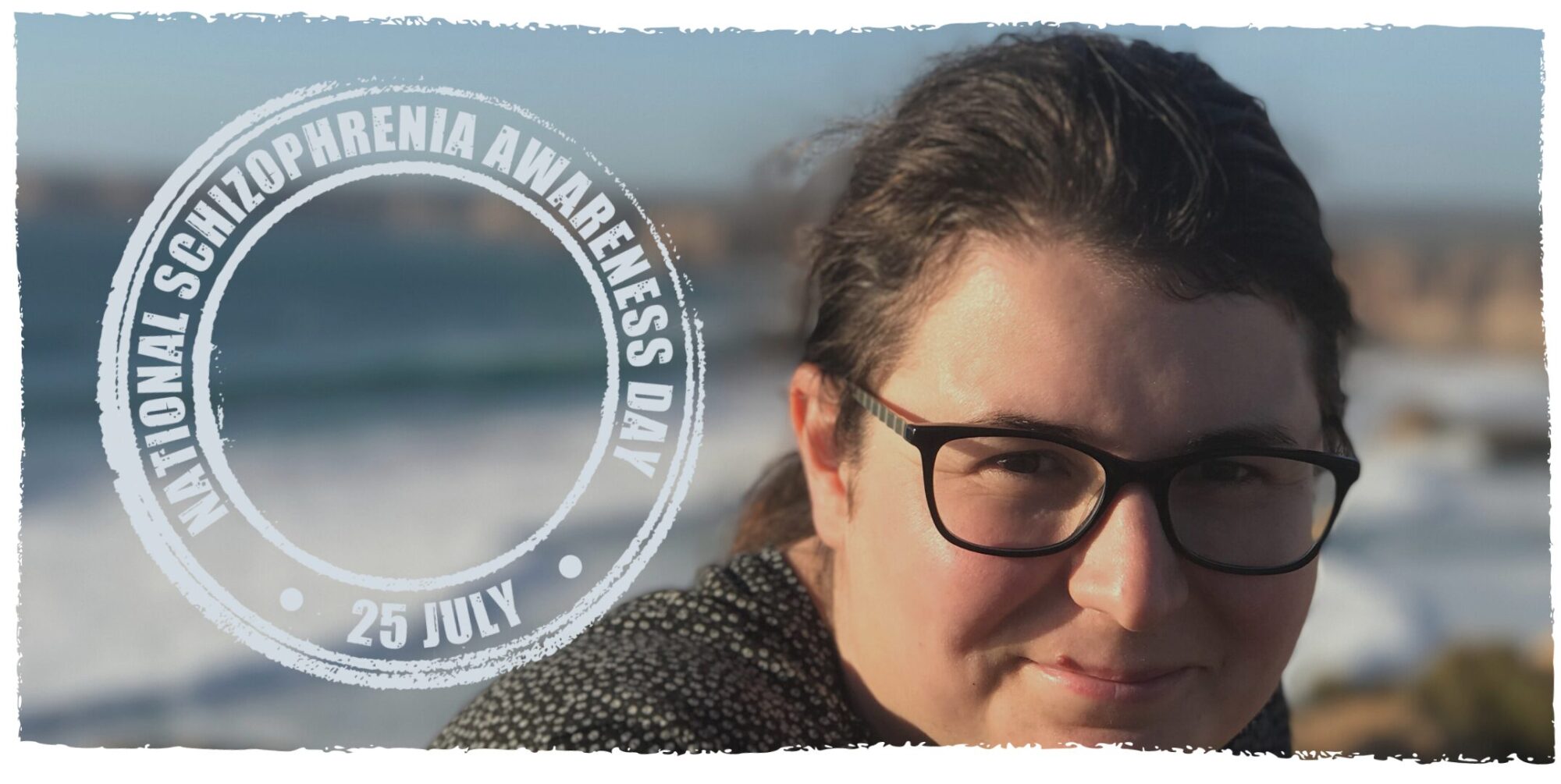
Saturday 25th July 2026 marks National Schizophrenia Awareness Day, an event organised by our partner Rethink Mental Illness, in collaboration with the charities that form Mental Health UK.. This year, the focus is on searching for the truth and challenging the misunderstandings surrounding one of the most misunderstood mental health conditions. In the United Kingdom, 1 in 100 people live with schizophrenia. That is over 600,000 individuals dealing with work stress, everyday life, and relationship worries alongside their condition.
When people don’t properly understand the challenges others are living with, they might feel afraid or unsure; but by asking questions and getting reliable, honest answers, we can support those around us and see the person rather than just the label.
What is Schizophrenia?
Schizophrenia is a serious mental health condition that affects how someone thinks, feels, and behaves. It usually begins during young adulthood. The name comes from Greek words meaning “split mind”, which has led to a lot of confusion. Having schizophrenia does not mean someone has a “split personality” or multiple personalities. Instead, it changes how people experience reality.
The signs of schizophrenia are often grouped into “positive” and “negative” symptoms, though these words don’t mean good or bad in this context. Positive symptoms add things to a person’s reality, like hallucinations (hearing, seeing, or smelling things that others don’t) or delusions (having strong beliefs that are not based in reality). Negative symptoms involve a loss of everyday abilities. This might look like a lack of motivation, withdrawal from social situations, or difficulty concentrating and making decisions.
What is it Like Having Schizophrenia?
To understand the reality of the condition, it helps to listen to those who live with it. Ros and Andrew are Experts by Experience who shared their personal journeys with us for last year’s National Schizophrenia Awareness Day.
For Ros, living with schizophrenia began at 19, though it took a few years to get a clear diagnosis. She explains that hearing voices is the most common type of hallucination, but it is not always a negative experience. “My voices have always told me to help other people,” she says. However, she has also experienced severe paranoia, feeling like she needed to protect people from secret intelligence services.
Andrew found his initial diagnosis at the age of 28 completely overwhelming; it was difficult to understand from day one. When someone becomes unwell with an acute episode, it can be a frightening and shocking experience. Thoughts can jump quickly from one subject to another, making communication difficult. As Ros notes, people can slip in and out of psychosis over a period of months, an exhausting and difficult experience.
An Illness, Not a Personality Trait
Schizophrenia is a health condition, just like any physical illness. It is not a personality defect. People living with schizophrenia are individuals with families, ambitions, a sense of humour, and strengths that go far beyond their mental health. Sadly, when we reduce someone to just their diagnosis, it leads to misunderstanding and social isolation.
We often judge people unfairly when they are unable to work due to their health. While many people with schizophrenia have successful careers, some might need time away from work during difficult periods. Ros was forced to retire early and found the resulting money worries incredibly stressful. She passionately believes that mental health issues deserve the exact same respect as physical health problems. As she puts it, it would be wonderful if people did not look down on those who need financial support when they are too unwell to work.
With the right treatment and support, people can continue at or return to work, especially if they have an understanding employer. Andrew is a Recovery Partner, does voluntary work every week, and hopes to get a job on a psychiatric ward. Ros was elected to her local council twice, volunteered as an MP’s assistant, and now uses her mental health knowledge as an Expert by Experience to support the NHS.
Debunking the Myths
One of the most harmful myths we need to challenge is the idea that schizophrenia makes people dangerous. This is simply not true. Most people living with schizophrenia are not violent. In fact, research shows that individuals with the condition are far more likely to experience harm, stigma, and discrimination from others than to cause harm themselves.
Media stereotypes frequently link the condition to violence, which only increases fear and makes it harder for people to seek help. Ros says: “When I am ill, it is scary for me and others. But there is a difference. Criminal schizophrenia is something else. It’s not the same as regular schizophrenia. I’d really like people to understand that we are nice people, not horrible. It is a temporary state.”
Living a Fulfilling Life
Receiving a diagnosis doesn’t mean giving up on a normal, happy life. By sticking with a treatment plan and taking an active role in their care, many people find ways to manage their symptoms.
Treatment often includes a combination of medication and talking therapies. Andrew finds that keeping on top of his medication keeps him well. Recovery looks different for everyone, but with the right practical help and the support of friends and professionals, it’s possible for people with schizophrenia to take their life in whatever direction they choose.
If you’re experiencing difficulties with your mental health, we’re here to help. There is a network of support in Somerset, including welcoming community groups and activities that can help you on your recovery path.
We are here for you
To get support for your mental health, simply send us a message or call Mindline Somerset and tell the person on the phone you’d like to be introduced to Open Mental Health. Mindline is available 24 hours a day, 7 days a week, on 01823 276892 or freephone 0800 138 1692.