
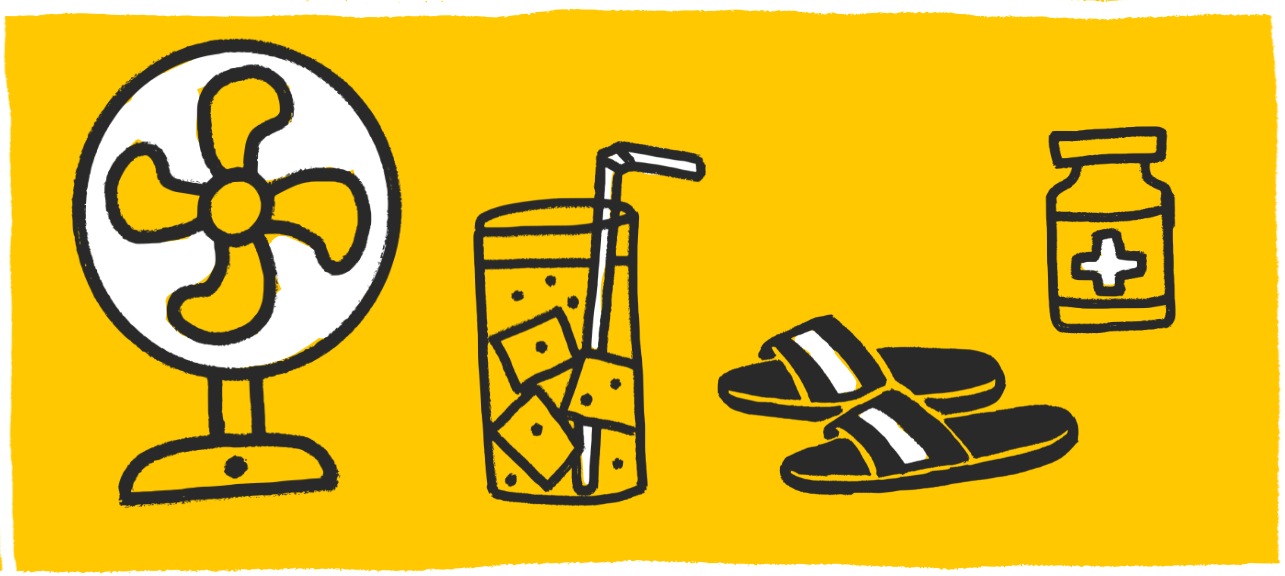
We often think that when the days get longer and the sun comes out, our mood will automatically lift. But for many of us, the reality can be very different, and we find ourselves with the summertime blues.
It can seem like everyone else is having barbecues, heading to the beach, or enjoying the warmer weather, and we can end up feeling quite isolated if we are struggling. The pressure to be cheerful simply because the sun is shining can make a low mood feel worse, as can disrupted sleep from muggy nights, the stress of school holidays changing daily routines, and the financial worry of keeping children entertained. It’s easy to see why summer isn’t a breeze for all of us.
Check Your Meds to Keep Your Cool
Some SNRIs, antipsychotics, and tricyclic antidepressants can interfere with your brain’s ability to control body heat. You might sweat more or less than needed, find it difficult to handle the heat, or find that the heat makes it hard to think straight.
To be on the safe side, check your medication leaflets or have a chat with your pharmacist about any psychiatric prescriptions you’re taking.
The Warning Signs of Heatstroke
The heat can make us unwell. Check out this NHS guidance about heatstroke and heat exhaustion.
There are some signs to look out for on hot days that can mean we are in danger of overheating: nausea, thirst, dizziness, tiredness, headache, heavy sweating, high temperature, clammy skin, rapid breathing, fast heartbeat, and cramps. Children might get grumpy, and older people can experience delirium.
You might mistake symptoms of heatstroke for anxiety, so don’t get caught out. Go indoors or into the shade, try to cool yourself down, and drink plenty of fluids. If you’re still feeling unwell after half an hour, it might be heatstroke, so get medical attention by calling 111, visiting a pharmacy, or, if possible, seeing your GP. If you feel at risk of serious ill health, ring 999.
To avoid getting ill, drink cool fluids, try to stay out of the sun when it’s hottest (usually between 11 a.m. and 3 p.m.), wear light clothing, and don’t overdo exercise. It’s best to steer clear of alcoholic drinks, as they can make your body lose water.
How to Sleep in the Heat
As it gets dark, our bodies release melatonin, a sleep hormone. This tells our brains that it’s time to rest. Longer daylight hours and hot temperatures can interfere with this natural process, making it harder for us to sleep.
If you’re finding yourself awake on warm nights, you can try keeping your room cool by opening a window, using a fan, or using lighter bedding. Some people find eye masks helpful because they block out early-morning sunlight. Try to stay hydrated by drinking water regularly during the day.
When it’s too hot to sleep, placing an ice pack in your pillowcase for a few minutes before bed, taking a cool shower, or soaking a small towel in cold water to rest on your forehead or chest can help.
Summertime Mood Management
It’s all too easy to get dehydrated in the summer, and this can have a big impact on our mood if we’re facing mental health challenges. You might try keeping cold water handy by carrying a flask or even one of those motivational bottles with times on the side.
Getting out and about for a short walk (but not in the hottest hours) can help boost our mood. Why not combine it with a bit of outdoor meditation or meeting friends in a shady spot? For those of us who find walking or going outside challenging, there are online wellbeing and recovery groups you might want to join.
If you’re living with a health condition that limits your exercise options, take a look at Move More with Bands. It’s a 12-page guide to using resistance bands designed with beginners in mind. The low-impact routine can be performed in a seated position and has mood-improving and health benefits.
The pressure of Summer Clothes
Another common challenge during the warmer months is how we feel about our bodies. As the temperature rises, heavy jumpers and long sleeves are put away, and taking off those layers can make us feel exposed. We might be anxious about wearing shorts, going swimming, or simply being seen by other people if we have body image issues or self-harm scars.
Staying Well Rain or Shine
Because we know summer brings its own hurdles, we’ve updated our Stay Well in 2026 wellbeing kit. It is filled with practical ideas, useful tools, and advice from across the Open Mental Health partnership to help you keep healthy and cool. We’ve made sure it focuses on what actually helps, guided by the voices of people who’ve lived through similar experiences themselves.
Difficulties with Eating, Weight or Body Image
Our alliance partner, SWEDA, specialises in eating disorders and body image concerns and supports people through these worries. As part of Open Mental Health, SWEDA and Mind in Somerset run a dedicated eating disorders helpline. If difficulties with eating, weight, or body image are making this summer hard for you, please call.
Call: 0300 330 5464
Sundays: 11:00 am until 2:00 pm
Tuesdays: 8:00 pm until 11:00 pm
You can talk to a trained listener for up to half an hour. The advice is free, impartial, and completely confidential.
We’re Here for You
Take a look at the resources in our wellbeing kit and find out what works for you, and if you want an introduction to Open Mental Health’s wider services, or just want a listening ear, give Mindline Somerset a call on 01823 276892 or freephone 0800 138 1692. Whether it is the middle of a hot afternoon or the early hours of the morning, support is available 24 hours a day, 7 days a week. You don’t have to wait for the weather to change to start feeling better.